
Fireworks and the Environment
By Antonio Liska •
Everyone has seen a fireworks show, we expect them as part of big celebrations and holidays. But few have stopped to think, what are fireworks made of? What makes fireworks glow? Where do the materials go after they pop? Given the global push to “go green” combined with a time when good health is of utmost importance, it’s prudent to consider the environmental impact of a firework show before adding them to a celebration.
What are fireworks made of?
The structure of a firework varies. The firework may contain its own propulsion as in a rocket or be launched as a mortar. While fireworks come in different shapes and sizes, they are often constructed of paper, clays and plastics.
What makes fireworks glow?
The casing of a firework is filled with chemical compounds which create the desired light pattern and color. Fireworks’ colors depend upon solid metal salts and chemical explosives that create colors when heated. Many of these compounds, some of them toxic, go into the atmosphere while making a colorful explosion.
Where do the contents of a firework end up?
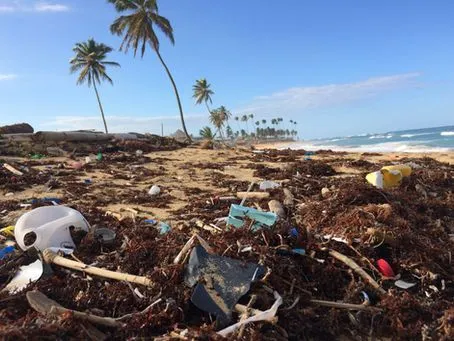
Fireworks shows are often held over, or adjacent to, a body of water to reduce the likelihood of a fire. This mitigation however, increases the possibility of adding the aforementioned pollutants to critical water supplies. Aside from the invisible chemicals that burning fireworks leave behind, fireworks also leave solid debris near the launch site.
One alternative to polluting the environment in exchange for entertainment is to offer a drone show. Drones are re-usable and don’t leave anything behind, except for awe and inspiration. Reach out to us with your questions on how to go green.
Planning an event?
See our show packages, check the FAQ, or get a quote for your date and venue.
Book Your Show Now